

Where the spreadsheet stops working
Custom software for travel agencies earns its place when the same trip lives in four places at once. An enquiry arrives on WhatsApp, the quote sits in a spreadsheet, the hotel hold is in an email thread and the final passenger list is on a guide's phone. Nobody is careless. The problem is that each copy changes at a different speed, and the person answering the traveller cannot see which one is current.
We build web-based operations software for agencies and tour operators who have outgrown that arrangement. The goal is one record per trip that carries the enquiry, the costed quote, the supplier confirmations, the travellers and the documents, with a clear status and a named owner at each stage. Your website keeps doing the selling. The software runs the work that starts after a traveller says yes, or almost yes.
What an operator usually needs first
| Problem today | What the software holds | Who uses it most |
|---|---|---|
| Quotes rebuilt from scratch for each enquiry | Costed components per trip, with margins set by the office | Sales and trip planners |
| Holds expiring unnoticed | Supplier hold dates with reminders before release | Operations |
| Passenger names typed again for every supplier | One traveller list that feeds rooming lists and manifests | Operations and guides |
| Unclear payment position before departure | Amounts received, amounts due and the date each falls due | Accounts |
| Documents scattered across inboxes | Vouchers, tickets and ID copies attached to the trip | Operations and the traveller desk |
Most operators do not need all five rows on day one. Pick the row that costs your team the most time each week, and the first release covers that job from end to end.
From enquiry to confirmed trip
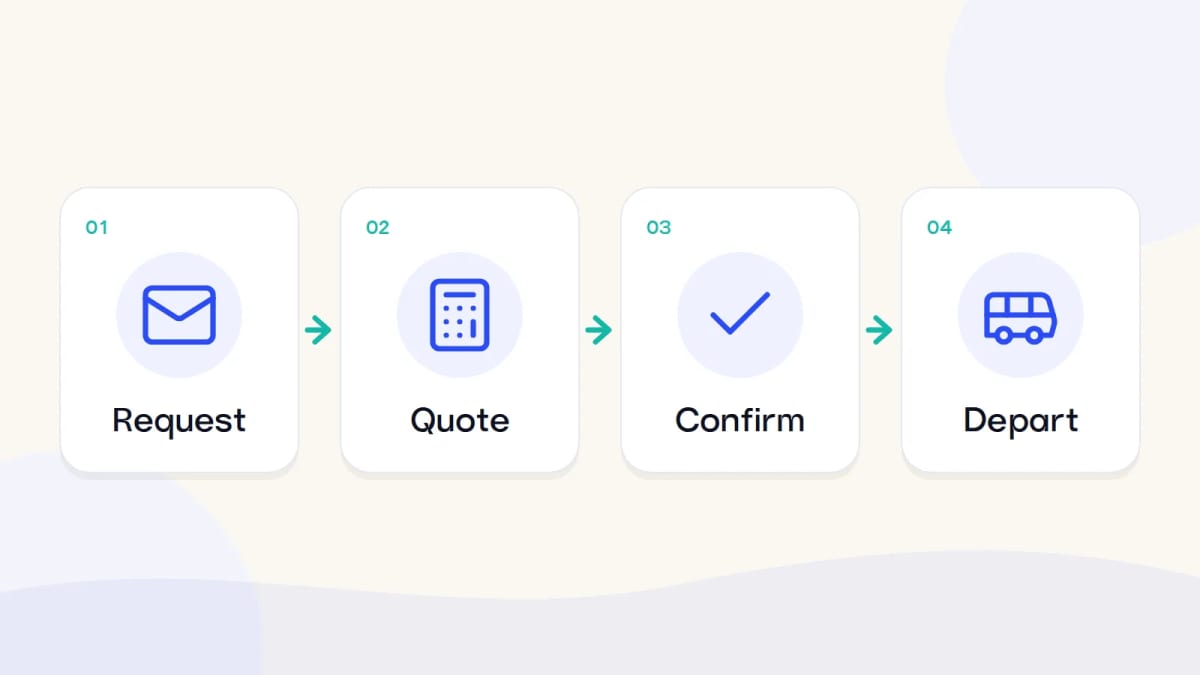
A good enquiry record keeps what the traveller asked for separate from what you offered. The request holds dates, party size, starting city and preferences. Each quote version holds the components you priced: rooms, transfers, activities, guide days and any permits you arrange. When the traveller asks for a cheaper hotel, the planner copies the version and changes one line, and the earlier offer stays visible for reference.
Margins and markup rules belong in the software, set by someone with the authority to change them. A planner can then build a quote without opening a separate costing sheet, and a manager can see which quotes went out below the usual margin and why. We do not build prices into the system on your behalf; your rates and rules are entered and maintained by your team.
When the traveller accepts, the quote becomes a booking with its own status. The accepted version is locked, so later changes are recorded as amendments rather than silent edits. That distinction matters when a family disputes what was included three weeks after departure.
Suppliers, holds and confirmations
Hotels, transport providers and local guides each confirm in their own way. The software does not need to replace those conversations. It needs to record what was requested, what was confirmed, by whom and until when. A hold with a release date can raise a reminder to the person who owns it two days before it lapses, and a dashboard can list every hold due this week across all trips.
Where a supplier offers an interface for availability or confirmation, we can check its documentation and test access before scoping an integration. Many smaller suppliers confirm by email or phone, and for them a structured confirmation form inside the trip record is the practical answer. Rooming lists and manifests can then be generated from the traveller list instead of retyped.
Departures, rooming and the people on the trip
Fixed-departure operators need a departure record that sits above individual bookings: the date, the vehicle or group size limit, the assigned guide and the seats still open. Bookings attach to the departure, so the operations lead can see that a Saturday batch has eleven travellers, two unpaid balances and one room-sharing request still unresolved.
Traveller details carry their own care. Passport copies and ID numbers should be visible only to the roles that need them, and kept for as long as your policy says. We design access per role, record who viewed or changed a sensitive field, and agree a retention rule with you during discovery. For guides on the road, the Android app planned for this industry can read the departure list from the same system.
Payments and the accounts view
The software can track what each traveller has paid, what remains and when the balance is due, and remind the traveller desk before a deadline. Online collection is a separate decision: if you want travellers to pay a deposit through a link, we connect a payment gateway you already hold an account with and record the result against the booking. Your accountant can export receipts and outstanding balances in the format they already use, rather than rebuilding them from bank statements.
How we build it
We start by sitting with the planner and the operations lead on two real trips: one that went smoothly and one with a late change. From those we write the workflow in plain language, including who can cancel a booking, what happens to supplier holds when they do and which messages go out. You review that document before any code is written.
For the stack, a typical build uses React or Next.js with TypeScript, Node.js APIs and PostgreSQL, as described on our custom software development service page. We deliver it in working slices: the enquiry and quote module first, then bookings and suppliers, then departures and payments. Each slice is demonstrated with your own sample data and approved before the next begins. Existing records from spreadsheets are imported in a rehearsal first, and counts are compared with your team before cutover.
What decides the cost
Scope depends on how many trip types you run, whether you sell fixed departures, private trips or both, how many supplier types need structured confirmations, whether any supplier or payment integration is in scope, how many staff roles need different access, and how much historical data has to move. We quote after reviewing two sample trips and your current spreadsheets. We do not publish prices.
Adjacent work
For Dilruba Travels, a pilgrimage agency working from Mumbai, we built a website whose trip planner collects the package, travel date, party size and room-sharing preference and shows an estimate before the agency confirms seats and the final price. That is website work, not operations software, so we label it adjacent. It shows the structured request that a back-office system would receive.
MariBiz.ai is a two-sided B2B marketplace we designed and built for maritime procurement, with structured requests for quotes, supplier responses and quote comparison. It is from another industry and is labelled adjacent. The request, quote and compare pattern is close to how a trip planner gathers supplier offers.
Get a written quote
Send us one quote spreadsheet, one supplier confirmation email and the passenger list from a recent departure, and tell us which of the three takes the longest each week. We can then scope a first release around that job for your travel business. Work starts with a 50% advance and runs on milestone approvals. Message us on WhatsApp at +91 73482 28167 and you get a fixed written quote within one working day.
Case studies
Adjacent work · another industry
Dilruba Travels
A pilgrimage travel site with dedicated package routes and a date-based booking enquiry.
Read the Dilruba Travels case study
Frequently asked questions
Which software is used by travel agencies?
Many agencies run on a mix of spreadsheets, email and a booking engine for one product line. Some use packaged travel software. Custom software makes sense when your workflow, such as private itineraries with many local suppliers, does not fit a packaged tool without workarounds.
Can it work alongside the booking system we already use?
Often, yes. We check what the current system can export or expose through an interface. If it offers neither, we agree a regular import or keep it as the system of record for that product line.
Can travellers log in to see their trip?
A traveller view can show the itinerary, payment position and documents for one booking. We usually add it after the staff side is stable, so the traveller sees information your team already trusts.
How do you handle passport and ID copies?
They are stored against the booking, visible only to the roles you approve, with access recorded and a retention rule agreed during discovery.
Can we start with quotes only?
Yes. A quote module with costed components and versions is a common first release. Bookings and supplier holds can follow once the team uses it daily.
Will our website feed enquiries into it?
Yes, where the travel website form can post to it. The enquiry then arrives with the trip name and dates already filled in.
Can you move our old spreadsheets in?
We map the columns, run a trial import on a sample and resolve rows that need a decision before the final move.