
Sell standard products and route custom jobs
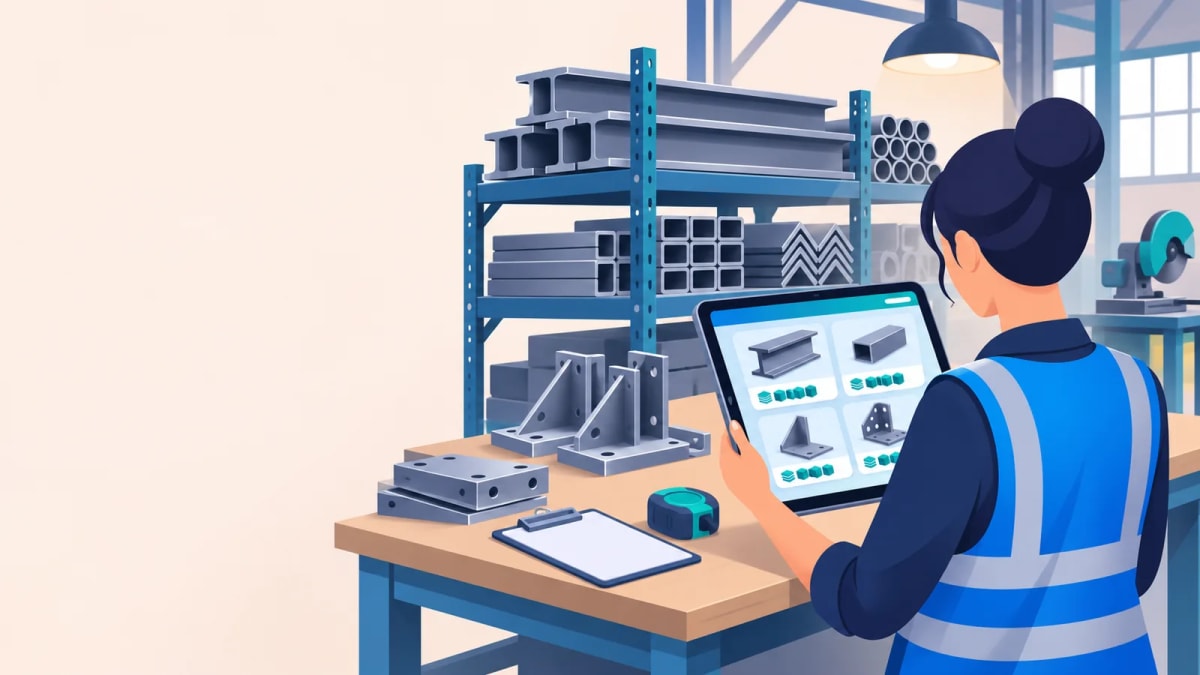
Ecommerce development for steel and metal fabrication gives repeat buyers a place to identify common stock, confirm what's supplied and order or request a quote. A buyer ordering brackets from a known schedule has a different question from a buyer who needs a frame fabricated to a drawing. We build catalogues that route those buyers according to the information you need before accepting the work.
A practical first release can cover your most predictable orders. Look at a month's enquiries and separate orders staff can confirm immediately from requests that need a drawing, cutting plan or freight check. Sell the first set online when the commercial rules are clear. Give the second set a structured request so the estimator receives enough detail to call back with useful questions.
Decide which items can go through checkout
| Buyer request | Store behaviour | Confirmation needed |
|---|---|---|
| Standard fastener pack or stocked bracket | Show a purchase unit and accept the order under agreed terms | Pack quantity and availability |
| Stocked bar or section | Show dimensions and offer the available collection or freight options | Stock length and collection location |
| Cut lengths from stock | Ask for the cut list and route for review if constraints vary | Cut units, tolerances and material availability |
| Made-to-drawing assembly | Collect the brief and issue a request reference | Drawing revision, scope and delivery date |
One customer can need both routes. Keep a request for made-to-order work distinct from a cart that can be paid for now. Each should show the customer what will happen next and who can answer a question.
Make dimensions and purchase units easy to compare
Model grade, profile, thickness and length as searchable fields where they matter to the buyer. Include item codes, common names and the old references people still use on purchase orders. A useful results screen lets a buyer tell two similar sections apart by dimension and grade. Ask your sales desk which abbreviations lead to the most misquotes and use those to test the search.
Show whether the unit is a piece, bundle, full stock length or weight. If you publish an estimated weight for freight, keep it distinct from a weighed quantity used on a final document. Provide drawings or dimensional tables when they help the buyer check their selection. Make revision or edition dates visible on documents that are maintained separately from the catalogue.
Availability needs an agreed meaning. If stock is distributed across depots or allocated to jobs, say which location the listing refers to. Where the account data updates periodically, give a buyer a way to request confirmation before relying on it for urgent work. Tell staff which system can change availability so a store edit cannot silently restore stock that has already been reserved.
Receive quote requests an estimator can work with
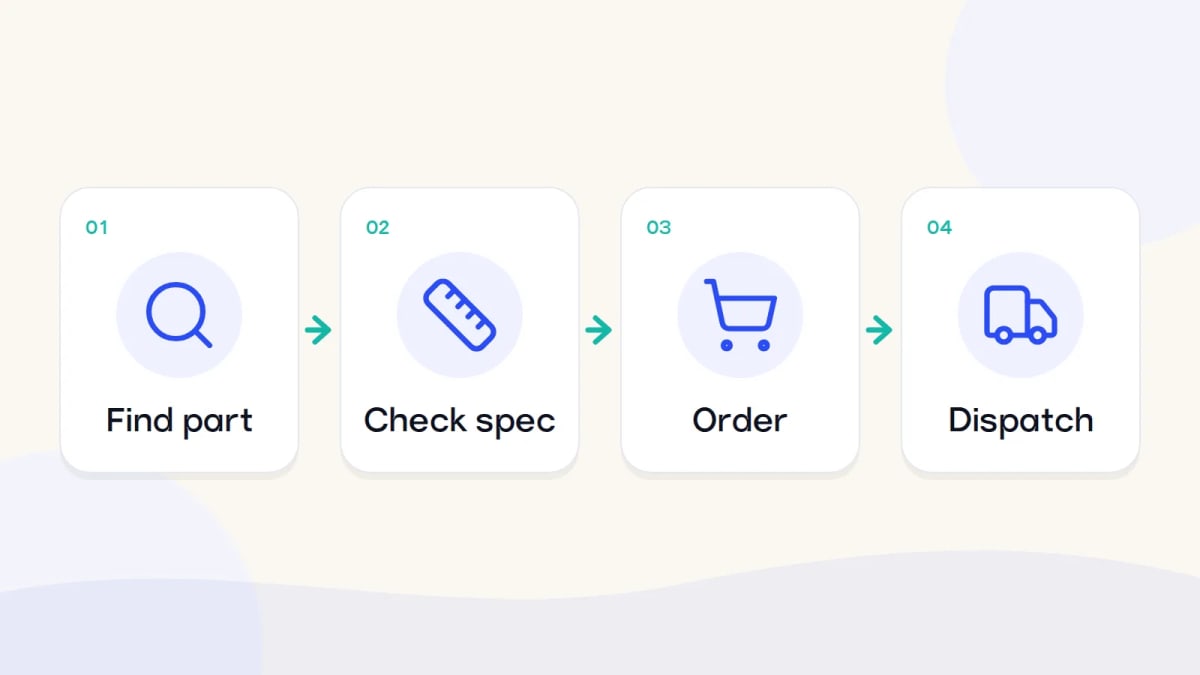
For custom fabrication, ask for the use, quantity, required delivery date and the drawing or sketch the buyer wants reviewed. Use only the extra questions that affect the first estimate. A cut request might need finished lengths and quantities, while an assembly might need finish, delivery access and revision details. Let staff ask a follow-up against the same reference.
Control who can see drawings and attachments. Audit which revision the estimator reviewed when a buyer uploads a replacement. Agree who owns retention and how to remove old files from routine access. A submitted request can confirm receipt while making it clear that fabrication and delivery dates are subject to review.
Handle trade accounts, repeat orders and delivery
Use sign-in for account-specific terms where the business needs it. Give buyers a way to attach a purchase order reference when they reorder. A previous order is a convenient starting point, but availability and delivery terms need checking against the current catalogue. If an item has been superseded, show the available option and ask the buyer to confirm the change before placing the order.
Collection and delivery have different constraints. A short boxed bracket can follow an ordinary parcel rule, while long material may need a vehicle and a suitable unloading point. Configure which orders can go through with a known charge and which locations or load combinations need a freight review. In either case, give the buyer a reference that the warehouse can match to the handover.
Keep catalogue changes reviewable
Give the catalogue owner an import preview that shows unit changes, renamed items and products about to become unavailable. Review a sample of live product pages before applying a bulk update, especially when thickness or length columns come from multiple spreadsheets. Keep a mapping for retired codes so a buyer arriving from an old purchase order can find the correct page or reach the trade desk.
How we build the catalogue
We clean a sample product set and test the filters with genuine ordering examples. Choose WooCommerce, Shopify or a custom storefront after comparing catalogue structure, trade access and the request flow. Agree which system owns item data and trial any stock or account sync with a small import. During acceptance, check a mixed basket, a duplicate purchase order reference and a quote request with a revised file.
Start with a defined range and review the first orders with sales and dispatch before extending the catalogue. We work with a 50% advance and approval at each milestone. See the ecommerce development service for platform and delivery options.
Adjacent proof
Saurally Solar is adjacent ecommerce work for technical products. We built its WooCommerce catalogue with filtering and comparison. A fabrication store would use its own product dimensions, grades and fulfilment rules.
What decides the cost
Catalogue quality, account rules, drawing attachments, stock integration and freight exceptions shape the work. Bring ten real product records and several requests your staff could only price after checking with the workshop. We can identify which records and rules are needed for a first release.
Get a written quote
Send us the catalogue entry you quote most often and a drawing-based enquiry that needs a separate reply. Together they show where checkout ends and where estimating starts in your fabrication business. Message us on WhatsApp at +91 73482 28167 and you get a fixed written quote within one working day.
Case studies
Adjacent work · another industry
Saurally Solar
Renewable energy e-commerce platform with 40+ solar products, comparison tools, and multi-gateway payments.
Read the Saurally Solar case study
Frequently asked questions
Can buyers order steel by length or weight?
Yes. Choose the permitted purchase unit for each product and make any weight estimate clear. Where the final amount depends on cutting or weighing, use a reviewed request.
Can we keep pricing behind a trade login?
Yes. Agree which customers can see each range or set of terms and who approves access before the account is activated.
Can we show stock at several depots?
Yes, if the stock records distinguish them. Decide how often data updates and how the store handles jobs that reserve stock.
Can a buyer upload a drawing?
Yes. Give the upload a request reference and capture a revision where needed. Restrict access to the people involved in estimating or review.
What happens when freight needs a quote?
Route the basket for review and collect the delivery postcode, access details and a contact. State when the team will confirm whether the order can proceed.
Can this connect to job planning?
Yes, subject to the available interfaces. See custom fabrication software for the handover from an accepted quote to purchasing and production.